
The Ultimate Guide to HOA Special Assessments and Unexpected Fees
What Is an HOA Special Assessment (and Why It Matters)
A special assessment HOA fee is an extra, one-time charge that your homeowners association bills to every owner — on top of regular monthly dues — to cover a large expense the reserve fund can’t absorb.
Here’s the short version:
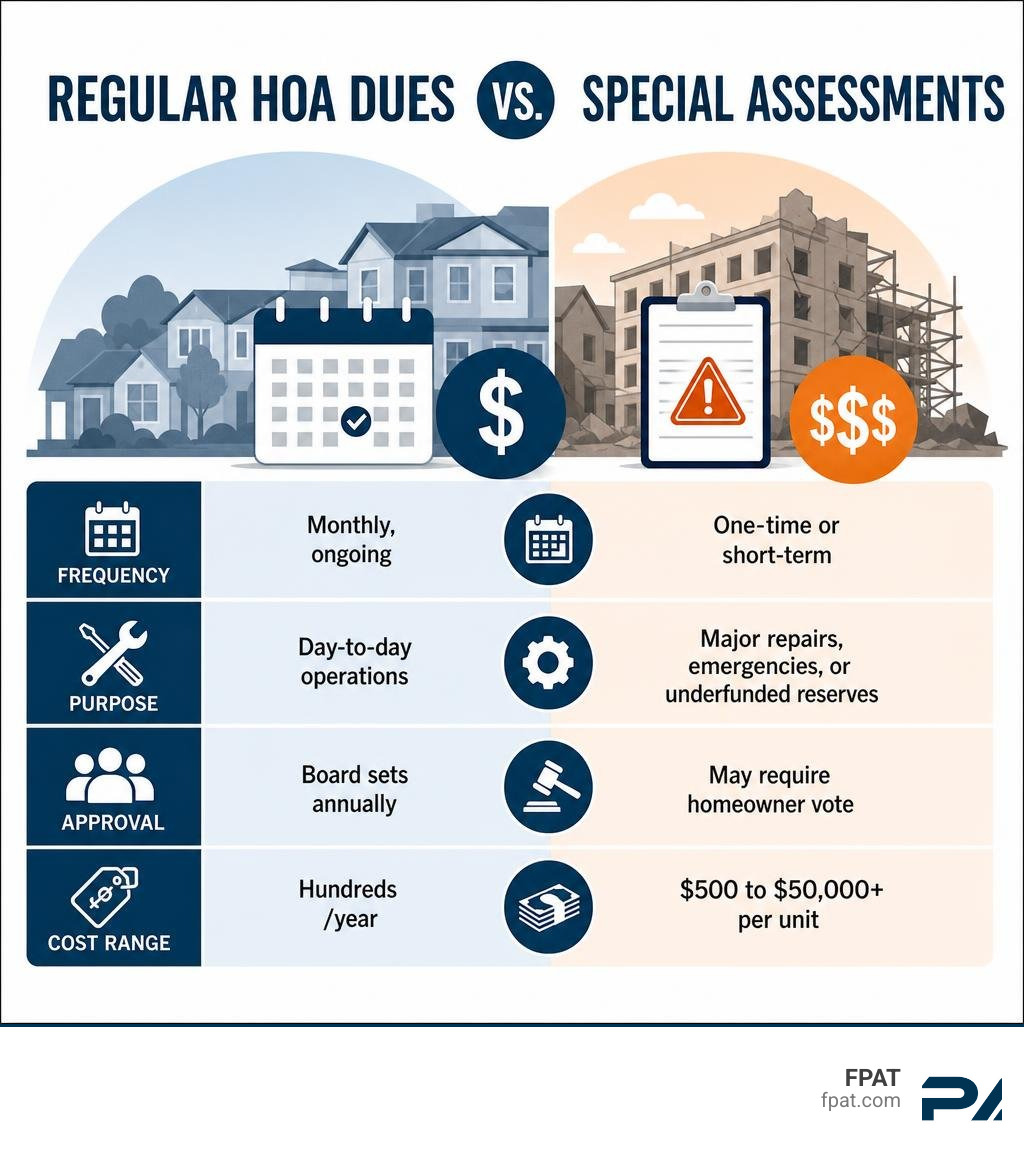
| Regular HOA Dues | Special Assessment | |
|---|---|---|
| Frequency | Monthly, ongoing | One-time or short-term |
| Amount | Fixed, predictable | Variable, often large |
| Purpose | Day-to-day operations | Major repairs, emergencies, or underfunded reserves |
| Approval | Board sets annually | May require homeowner vote |
| Typical range | Hundreds/year | $500 to $50,000+ per unit |
Special assessments are not fee increases. They are separate bills — and they can arrive with little warning.
About 70% of U.S. community associations are underfunded, meaning their reserves hold less than 70% of what they should. When a roof fails, a storm hits, or a structural inspection reveals critical repairs, the money simply isn’t there. The bill gets passed directly to owners.
For Florida condo and HOA board members, the stakes are even higher. Post-Surfside legislation — including HB 913 and new Structural Integrity Reserve Study (SIRS) requirements — has made reserve compliance a legal obligation, not just good practice. Boards that ignore these rules risk fines, insurance problems, and yes, large unexpected assessments.
I’m Eric Dixon, a CAI Licensed Reserve Specialist (RS) and Partner at FPAT, with over 20 years of hands-on experience conducting reserve studies, SIRS compliance reviews, and insurance replacement cost appraisals across Florida — work that sits at the center of preventing and managing HOA special assessments. In the guide below, I’ll walk you through everything you need to know: what triggers assessments, how they’re calculated, your legal rights, and how to protect your community before the bill arrives.
Understanding the Special Assessment HOA Process and Triggers
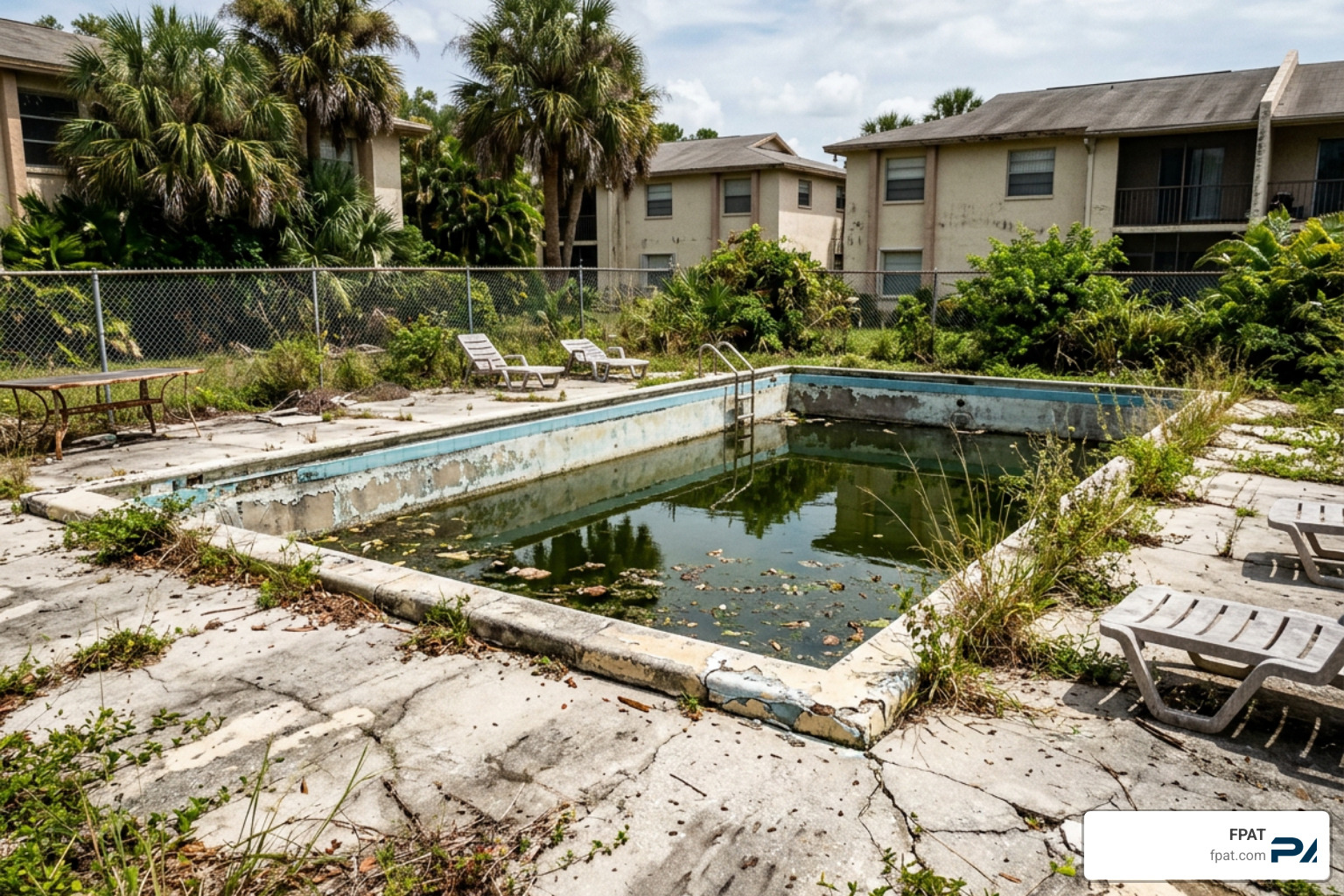
To understand how a special assessment HOA fee works, we must first look at the financial structure of a community association. When you purchase a home or condominium in a managed community, you agree to abide by the association’s Covenants, Conditions, and Restrictions (CC&Rs). This agreement establishes the board’s fiduciary responsibility to maintain the common elements of the property, from elevators and roofs to clubhouses and paved roads.
Under normal circumstances, your regular monthly dues should cover day-to-day operational costs and feed a reserve account meant for long-term capital replacements. However, when those reserves are insufficient, the board must leverage its authority to implement a special assessment.
As detailed by What Is an HOA Special Assessment? | Zillow , this is an additional fee levied on owners to cover major projects or unplanned shortfalls. When we analyze real-world scenarios, we see that these bills are often a direct symptom of deferred maintenance or inadequate long-term planning. For practical examples of how this plays out in real communities, you can read our breakdown of Special Assessment Examples: What They Are and How to Avoid Surprises.
Common Triggers for Unexpected HOA Fees
Why do these bills suddenly show up in your mailbox? In our experience working with communities throughout Florida, from Miami to Pensacola, the triggers generally fall into five categories:
- Underfunded Reserves: This is the most common culprit. Approximately 30% of community associations operate in a “high-risk” financial zone, meaning their reserve accounts are less than 30% funded. When a major asset reaches the end of its useful life, the association has no choice but to pass the bill to the owners.
- Emergency Repairs: Sudden infrastructure failures—such as a ruptured main water line, a collapsed seawall, or a broken commercial boiler—require immediate action to protect resident safety and property values.
- Natural Disasters: Major weather events can cause damage that exceeds insurance coverage or falls entirely under high windstorm deductibles.
- Aging Infrastructure: The median age of condominiums sold in 2024 reached 38 years, up from 26 years in 2012. Older buildings require more intensive structural care, making them prime targets for unexpected maintenance demands.
- Capital Improvements: Upgrading community amenities, such as adding solar panels to a clubhouse or installing fiber-optic internet infrastructure, can trigger assessments if the membership approves the project.
According to Special Assessments: The Homeowner Fee Nobody Warns You About | Arcanomy™ , many homeowners are completely blindsided by these costs because they assume their monthly dues cover everything. In reality, any major gap between actual project costs and saved reserves will be billed as a special assessment.
How to Calculate a Special Assessment HOA Fee
When an association needs to raise funds, the board cannot simply pull a number out of thin air. They must calculate the exact shortfall and allocate it legally among the owners.
The calculation process typically follows these steps:
- Obtaining Firm Bids: The board should secure at least three competitive bids from licensed contractors to determine the actual cost of the project.
- Adding Contingency Padding: Experienced boards add a 10% to 15% contingency buffer to the total project cost. This prevents the need for a secondary “supplemental” assessment if unexpected issues (like hidden rot or mold) are discovered during construction.
- Subtracting Available Reserves: The board determines how much reserve cash can be safely deployed without dropping below minimum required funding levels.
- Dividing the Shortfall: The remaining balance is divided among the homeowners.
The division of costs must follow the exact allocation formula outlined in the community’s governing documents. The two primary methods are:
- Equal Allocation: The total shortfall is divided equally by the number of units. For example, if repaving a parking lot costs $48,000, and the association has 60 units, each owner pays an equal $800.
- Percentage Allocation: The assessment is based on each unit’s square footage or interest percentage in the common elements. A penthouse owner would pay a higher percentage of the assessment than a studio owner.
To avoid these calculation headaches and keep your community on solid financial footing, proactive boards rely on structured reserve planning. You can learn more about this process by reviewing our guide on Reserve Funding for HOAs.
Legal Limits, Notice, and Voting Requirements
An HOA board’s power to levy assessments is not absolute. It is strictly governed by state statutes, local ordinances, and the community’s own CC&Rs.
If a board fails to follow proper legal procedures, the entire assessment can be declared invalid. Homeowners frequently challenge assessments on procedural grounds, as discussed in The Bill You Didn’t Vote For: How Florida HOAs Use Special Assessments and How Homeowners Fight Back | LS Carlson Law .
Legal Limits on a Special Assessment HOA Levy
Different states enforce vastly different rules regarding how much a board can charge without homeowner approval:
- California: Under the Davis-Stirling Act, specifically Special, Emergency, & Reimbursement Assessments , an HOA board cannot impose a special assessment that exceeds 5% of the association’s budgeted gross expenses for that fiscal year without securing a majority vote from a quorum of the membership.
- Florida: Florida laws under Chapter 718 (for Condominiums) and Chapter 720 (for Homeowners Associations) do not impose a flat percentage cap on special assessments. Instead, the limits are dictated by the community’s governing documents. However, Florida has strict statutory rules regarding how assessments are handled, particularly regarding structural safety.
For Florida communities, navigating these legal distinctions is vital to maintaining compliance and avoiding lawsuits. To understand how to protect your community from these legal pitfalls, read our detailed analysis on Avoiding Special Assessments in Florida and explore What Are the Legalities of Imposing Special Assessments … .
Notice and Voting Procedures for Boards
Before a board can vote on or collect a special assessment HOA fee, they must meet strict statutory notice and voting requirements:
- Notice Period: Boards must typically provide written notice to all owners 30 to 60 days before the meeting where the assessment will be discussed. In Florida, the notice must clearly state the specific purpose of the assessment and the estimated cost.
- Open Meetings: The discussion and vote must take place during an open, noticed board meeting. Homeowners have a legal right to attend and voice their opinions before a vote is cast.
- Voting Thresholds: If the governing documents require a membership vote for capital improvements or assessments exceeding a certain dollar amount, the board must run a formal vote. This often requires a secret ballot process and a minimum quorum (usually more than 50% of all owners).
- Emergency Exceptions: Most state laws and CC&Rs allow boards to bypass homeowner votes in genuine emergencies. These are strictly defined as situations threatening personal safety, court-ordered judgments, or unexpected utility service disruptions that require immediate repair.
To stay on top of the rapidly changing compliance landscape in Florida, boards must keep up with recent legislative updates. We break down these statutory adjustments in our guide to Reserve Funding Changes in Florida.
Homeowner Rights: Payment Options, Consequences, and Disputes

Receiving a five-figure assessment bill can cause immediate financial stress. However, homeowners have rights and options when it comes to how they pay, and there are legal avenues to challenge assessments that appear improper.
Boards should aim to offer flexible payment options to ease the burden on residents. We discuss the legalities of these flexible funding structures in our resource on Reserve Funding Flexibility Florida.
Consequences of Non-Payment and Late Fees
If a homeowner fails to pay an approved special assessment, the consequences can be severe. Because assessments carry the same legal weight as regular monthly dues, associations have powerful collection mechanisms at their disposal:
- Late Fees and Interest: The association can immediately apply late fees and accrue interest on the unpaid balance, as permitted by state law and the CC&Rs.
- Suspension of Rights: The board may suspend the owner’s access to community amenities (like pools, gyms, or clubhouses) and revoke their voting rights.
- Statutory Liens: If the delinquency continues, the association can file a formal assessment lien against the property.
- Foreclosure: Once a lien is in place, the association can initiate foreclosure proceedings to recover the debt, even if the homeowner has a primary mortgage on the property.
- Credit Reporting: Delinquencies can be reported to credit bureaus, significantly damaging the homeowner’s credit score.
How to Challenge or Dispute an Assessment
If you believe a special assessment HOA fee was levied improperly, you do not have to accept it blindly. Homeowners can take the following steps to dispute the charge:
- Request Financial Records: Under state laws (such as Florida Chapter 720 or California Civil Code §5200), homeowners have a legal right to inspect the association’s official records. Request the reserve study, competitive bids, and the board meeting minutes to verify that the assessment is justified and was voted on correctly.
- Identify Procedural Errors: Check if the board met the exact notice requirements. Did they provide the required 30-to-60-day notice? Was the meeting open? Did they establish a proper quorum?
- Pursue Pre-Suit Mediation: In Florida, before filing a lawsuit over an assessment dispute, both parties are typically required to participate in pre-suit mediation under Florida Statute §720.311.
- Organize a Board Recall: If the community agrees that the current board is mismanaging funds or abusing its assessment authority, owners can organize a petition to recall and replace board members.
Impact on Real Estate Transactions and Buyer Due Diligence
Special assessments can significantly complicate the process of buying or selling a home within an association. Because these fees represent a substantial financial liability, they are a primary point of negotiation during real estate transactions.
In fact, the risk of upcoming assessments heavily influences market pricing. In 2025, condo buyers secured an average discount of 8.1% off the list price, compared to 7.9% for single-family homes, largely due to buyer anxiety over underfunded reserves and pending assessments. To understand how reserve health directly impacts property values, see our detailed overview of Reserve Funding.
Pre-Purchase Due Diligence Checklist
If you are shopping for a home or condo in an HOA community, you must conduct thorough due diligence to avoid inheriting a massive, unexpected bill. Use this checklist before signing any contract:
- [ ] Analyze the Reserve Study: Request the association’s latest reserve study. A healthy community should have a “percent funded” metric of 70% or higher. If it is below 30%, a major special assessment is highly likely in the near future.
- [ ] Review Board Meeting Minutes: Ask for the last 12 to 24 months of board meeting minutes. Look for any discussions regarding deferred maintenance, structural issues, or potential upcoming assessments.
- [ ] Inspect the Operating Budget: Check what percentage of regular monthly dues is allocated to the reserve account. If less than 10% to 15% of the budget goes to reserves, the association is likely underfunding its long-term needs.
- [ ] Request Disclosure Documents: Ensure the seller provides a full disclosure of any active, pending, or planned special assessments.
- [ ] Negotiate the Terms: If an assessment is active, negotiate who will pay the remaining balance at closing. Buyers can request that the seller pay off the entire assessment balance using their sale proceeds.
For a deeper dive into how reserve studies protect buyers and stabilize community finances, read our guide on Financial Planning for HOAs: The Role of Reserve Studies.
Protecting Yourself with Loss Assessment Insurance
Many homeowners are unaware that they can purchase insurance specifically designed to protect them from unexpected HOA bills. This is known as loss assessment coverage.
Typically offered as an inexpensive endorsement (costing between $25 and $75 per year) to an individual HO-6 condo policy or standard homeowners policy, this coverage steps in when the association passes a bill to owners for a covered loss.
Here is how it works:
- Master Policy vs. Individual Policy: The HOA’s master insurance policy covers physical damage to shared spaces (like the lobby, roof, or clubhouse) and general liability. However, if a major storm damages the property, the master policy’s high deductible must be paid before repairs begin.
- Deductible Assessments: If the association divides a $100,000 windstorm deductible among the owners, your loss assessment coverage can pay your share of that assessment.
- Covered Perils: Loss assessment coverage only applies if the underlying cause of the assessment is a covered peril (such as windstorm, fire, or lightning damage). It will not cover assessments levied due to deferred maintenance, normal wear and tear, or underfunded reserves.
Securing this coverage is a highly recommended, low-cost safety net for anyone living in a multi-family building or managed community in Florida.
Frequently Asked Questions about HOA Special Assessments
Can a homeowner refuse to pay a special assessment?
No. Homeowners cannot legally refuse to pay an approved special assessment. Doing so will result in late fees, the loss of community privileges, statutory liens, and eventually foreclosure. If you believe the assessment was passed illegally, the safest course of action is to pay the fee “under protest” in writing to avoid penalties while you pursue mediation or legal action.
Are HOA special assessments tax-deductible?
Generally, no. For a primary residence, special assessments are not tax-deductible on your annual return. However, if the assessment is used for capital improvements (such as a new roof or paved roads), the cost can be added to your property’s cost basis. This increases your adjusted basis, which can reduce your taxable capital gains when you eventually sell the home. Always consult a qualified tax preparer to document these adjustments correctly.
How often can an HOA levy a special assessment?
There is no statutory limit on how many times an HOA can levy a special assessment, provided they follow the voting and notice procedures outlined in their governing documents and state laws. However, relying on frequent assessments is a clear sign of poor financial management. Healthy communities avoid this cycle by maintaining adequate reserve funds and updating their reserve studies regularly.
Conclusion
A special assessment HOA fee can be a stressful financial hurdle for homeowners and a public relations challenge for board members. However, these unexpected fees are almost always preventable. By establishing realistic operating budgets, updating reserve studies every three to five years, and keeping up with regular property maintenance, communities can completely eliminate the need for emergency funding.
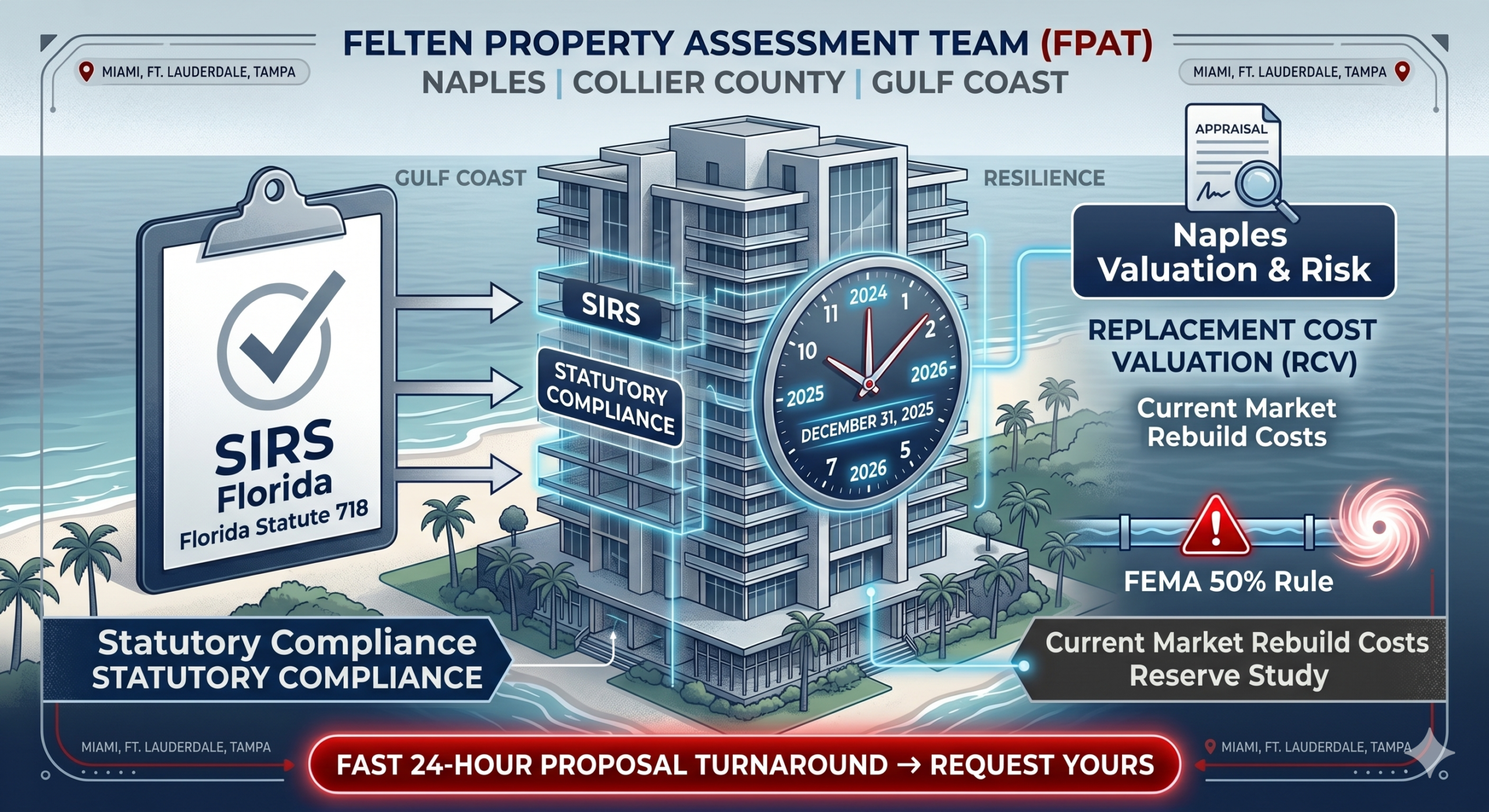
At FPAT, we help Florida communities navigate these challenges with confidence. We provide fast, 24-hour proposals and expert compliance support for evolving state regulations, including HB 913 and Structural Integrity Reserve Study (SIRS) requirements. Whether you are located in Safety Harbor, Tampa, Miami, or Orlando, our team is ready to help your board secure accurate reserve studies, insurance appraisals, and windstorm inspections.
Don’t wait for an unexpected bill to catch your community off guard. Read our comprehensive guide on Avoiding Special Assessments: A Guide for Florida Condos and contact us today to secure a professional evaluation for your property.