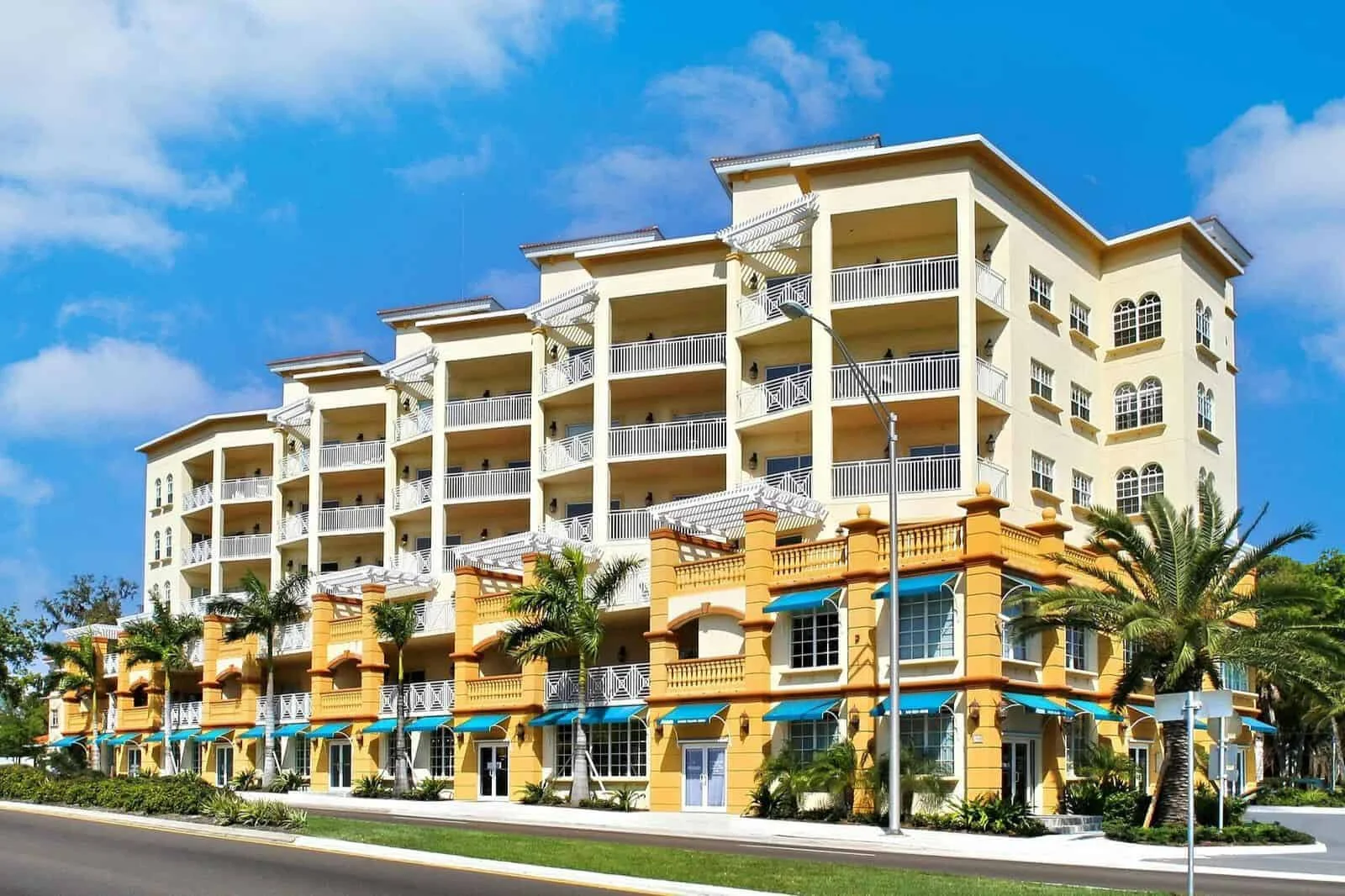

Navigating Statutory Compliance 2026: The intersection of SIRS, HB 913, and your required Replacement Cost Valuations for Miami Condos.
2026 Guide to Condo & HOA Insurance Appraisals in Miami: Statutory Compliance & SIRS
Managing a condominium or HOA in Miami comes with a unique set of challenges. Between volatile weather patterns, skyrocketing insurance premiums, and an ever-evolving legislative landscape, the burden on board members and property managers has never been heavier. We understand the late nights spent reviewing association budgets and the pressure of keeping your community safe and financially secure.
As the Lead Consultant for the Felten Property Assessment Team (FPAT), my goal is to transform that burden into clarity. Whether you are navigating a Condo Reserve Study in Miami, securing a new Replacement Cost Valuation, or ensuring Statutory Compliance 2026, FPAT provides the authoritative expertise and fast results your board needs to confidently steer your community forward.
Navigating Statutory Compliance 2026: Chapters 718, 719 & 720
In Florida, proactive financial planning is no longer just a best practice—it is a strict legal mandate. Under Florida Statute 718.111(11), condominium boards are required to obtain an independent insurance appraisal to update their Replacement Cost Valuations (RCV) at least once every 36 months. Cooperatives fall under similar obligations per Chapter 719.
For HOA boards governed by Chapter 720, while the 36-month rule might not explicitly apply in the same manner, maintaining an updated appraisal is a critical component of your fiduciary duty. Failing to adequately insure common elements—like clubhouses, gates, and pools—can lead to catastrophic co-insurance penalties. Securing a compliant appraisal provides your board with a "Safe Harbor" against liability claims.
Read more about the 36-month rule in our Florida Statute 718.111(11) Appraisal Guide.
Mastering Miami Insurance Appraisal: RCV vs. ACV & The FEMA 50% Rule
In the Miami market, understanding how your property is valued is essential for survival after a major storm.
- Replacement Cost Valuation (RCV): This is the cost to rebuild your structures at today’s labor and material prices. This is the gold standard for your insurance appraisal and what FPAT strictly calculates.
- Actual Cash Value (ACV): This is the replacement cost minus depreciation. Relying on ACV or outdated market valuations leaves your community dangerously under-insured.
For coastal properties in Miami-Dade County, we also must factor in the FEMA 50% Rule. If your building is in a Special Flood Hazard Area and sustains "substantial damage" (where repair costs equal or exceed 50% of the building's depreciated market value), you will be forced to elevate or modify the entire structure to meet the newest flood codes. Accurate, up-to-date valuations are your first line of defense in managing this threshold. You can read more about how FEMA calculates these damages on the official FEMA guidelines page.
Integrating SIRS Florida with Your Insurance Strategy
Insurance appraisals and reserve studies go hand-in-hand. The tragic collapse in Surfside catalyzed unprecedented safety reforms, leading to the creation of the Structural Integrity Reserve Study (SIRS).
SIRS Florida regulations demand that condos and co-ops three stories or taller fully fund reserves for critical structural elements like roofs, load-bearing walls, and foundations. With the December 31, 2025/2026 milestones rapidly approaching, integrating your insurance appraisal site visits with your SIRS inspections is the most cost-effective and efficient way to achieve total compliance under the newly updated HB 913 guidelines.
Learn more about bundling these services in our 2026 FL Condo Insurance Appraisal Guide and our comprehensive SIRS Florida Overview.
Fast 24-Hour Proposal Turnaround: Secure Your Community Now
We know that when your insurance carrier demands an updated appraisal, you don't have weeks to wait. FPAT guarantees a Fast 24-Hour Proposal Turnaround for all Miami associations. Don’t leave your community's financial future to chance—partner with the experts who deliver accuracy, compliance, and peace of mind without the wait.
Request Your Free Proposal TodayPeople Also Ask (PAA) Corner
Frequent queries from Miami Boards in 2026
What is the deadline for Florida SIRS in 2026?
For associations existing prior to July 1, 2022, the initial Structural Integrity Reserve Study (SIRS) must be completed by December 31, 2025. Following HB 913 updates, associations must ensure their 2026 budgets fully reflect the required funding levels outlined in the study, as the grace period for non-compliance has officially ended.
Can a Florida condo board waive reserves after HB 913?
No. While HB 913 introduced some flexibility and alternative funding mechanisms (like lines of credit or loans with a majority vote), Florida law strictly prohibits condo boards from waiving or underfunding reserves for the critical structural components identified in a SIRS.
How often must an insurance appraisal be updated in Florida?
Under Florida Statute 718.111(11), condominium associations must obtain an independent insurance appraisal to determine the full replacement cost of the property at least once every 36 months. Given current inflation and rising construction costs, FPAT recommends reviewing values every 24 months to prevent co-insurance penalties.