
Is Landscaping Covered in a
Florida Reserve Study?
What board members and property managers need to know about landscaping, irrigation, and amenities.
If you’re a board member or property manager for a Florida condo or HOA, you already carry a heavy load. Insurance companies want studies. Florida’s laws keep adding requirements. And every hurricane season reminds you how quickly a beautiful community can turn into an expensive problem.
One question we hear often: “Is my landscaping covered in the reserve study?”
It’s a fair question — and an important one. Getting the answer wrong can mean surprise costs when trees come down, irrigation fails, or a major refresh is needed after storms. Here’s the clear, practical breakdown Florida communities actually need.
The Real Problem You’re Dealing With
Routine landscaping (mowing, edging, fertilizing, seasonal color) happens every year. But in Florida, landscaping also includes big-ticket items: mature tree removal and replacement after storms, full irrigation system failures, or community-wide renovations that protect curb appeal and property values.
When these bigger expenses aren’t properly planned for, they land in the operating budget — or trigger special assessments that frustrate owners and create headaches for the board. Many leaders feel overwhelmed trying to figure out what belongs in reserves versus what’s an annual expense. The statutes and study formats don’t always make it obvious, and generic advice from out-of-state providers often misses Florida’s unique weather and regulatory realities.
You deserve clarity from someone who actually works with Florida properties every day.
What’s Typically Included (and What Isn’t)
Here’s how it usually breaks down in practice:
Routine landscaping maintenance
This is almost never included in a reserve study. Mowing, trimming, fertilizing, and regular plant rotations are considered operating expenses. They belong in your annual budget because they’re recurring and relatively predictable in the short term. Reserve studies focus on capital repairs and replacements with longer, measurable useful lives.
Irrigation systems
Yes — these are standard reserve components in most traditional reserve studies. Irrigation systems have predictable lifespans (often 15–25 years depending on age, quality, and maintenance). Pumps, valves, controllers, piping, and wiring wear out. Planning for phased or full replacement prevents a sudden large bill that hits owners all at once.
Major landscaping and site improvements
This is where it gets nuanced — and where a good local provider adds real value. Significant tree replacement programs, large-scale landscape renovations, hardscaping (if association-maintained), or major entry feature upgrades can and often should be included in a comprehensive traditional reserve study. These are capital expenditures that don’t happen every year. Florida’s storms make this especially relevant — one bad season can turn “occasional” tree work into a budget-buster.
A professional reserve study provider will evaluate your specific property, review your governing documents, and help decide which items make sense to reserve for based on condition, risk, and cost thresholds.
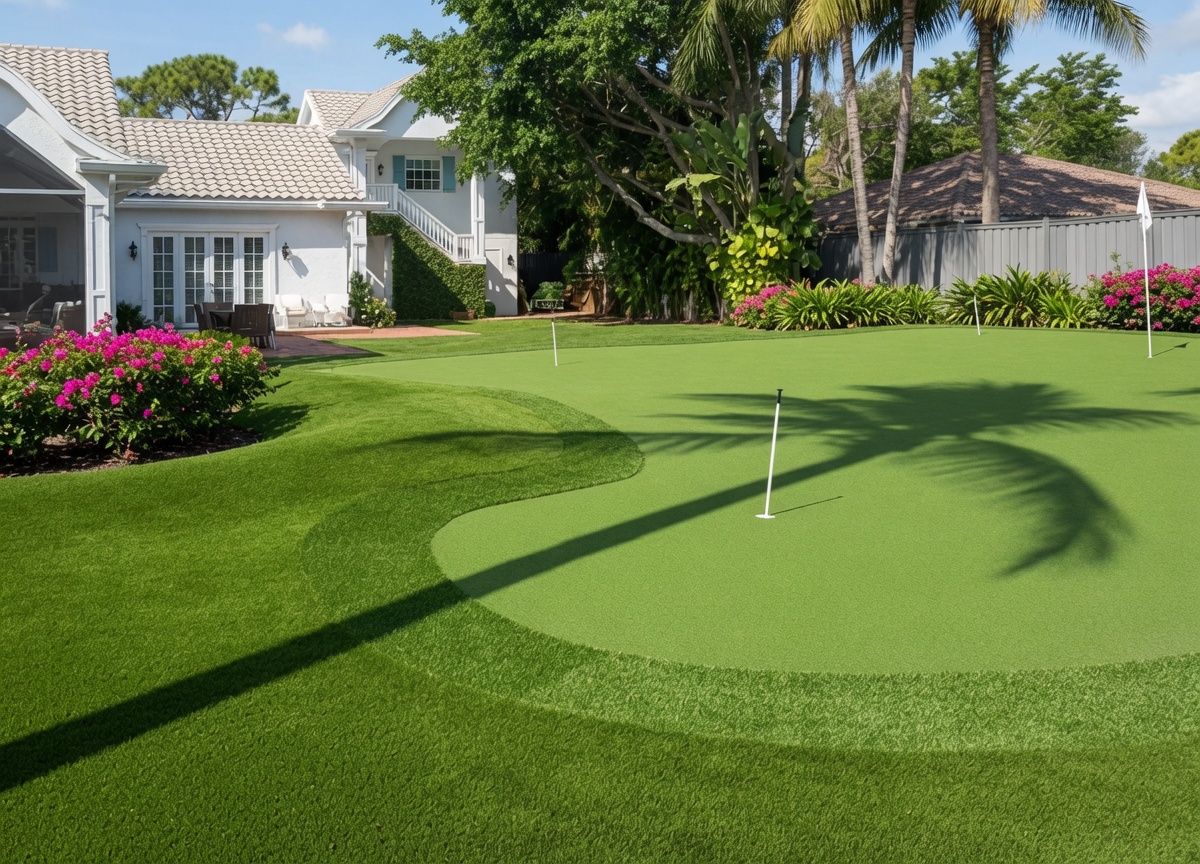
Many Florida associations are also exploring amenities like a synthetic putting green — a low-maintenance, high-enjoyment feature that can dramatically increase resident satisfaction. Because the surface, base, and drainage have finite lifespans (typically 10–20+ years depending on quality and use), treating it as a reserve component rather than an operating surprise makes smart financial sense.
SIRS vs. Traditional Reserve Studies: Important Distinction
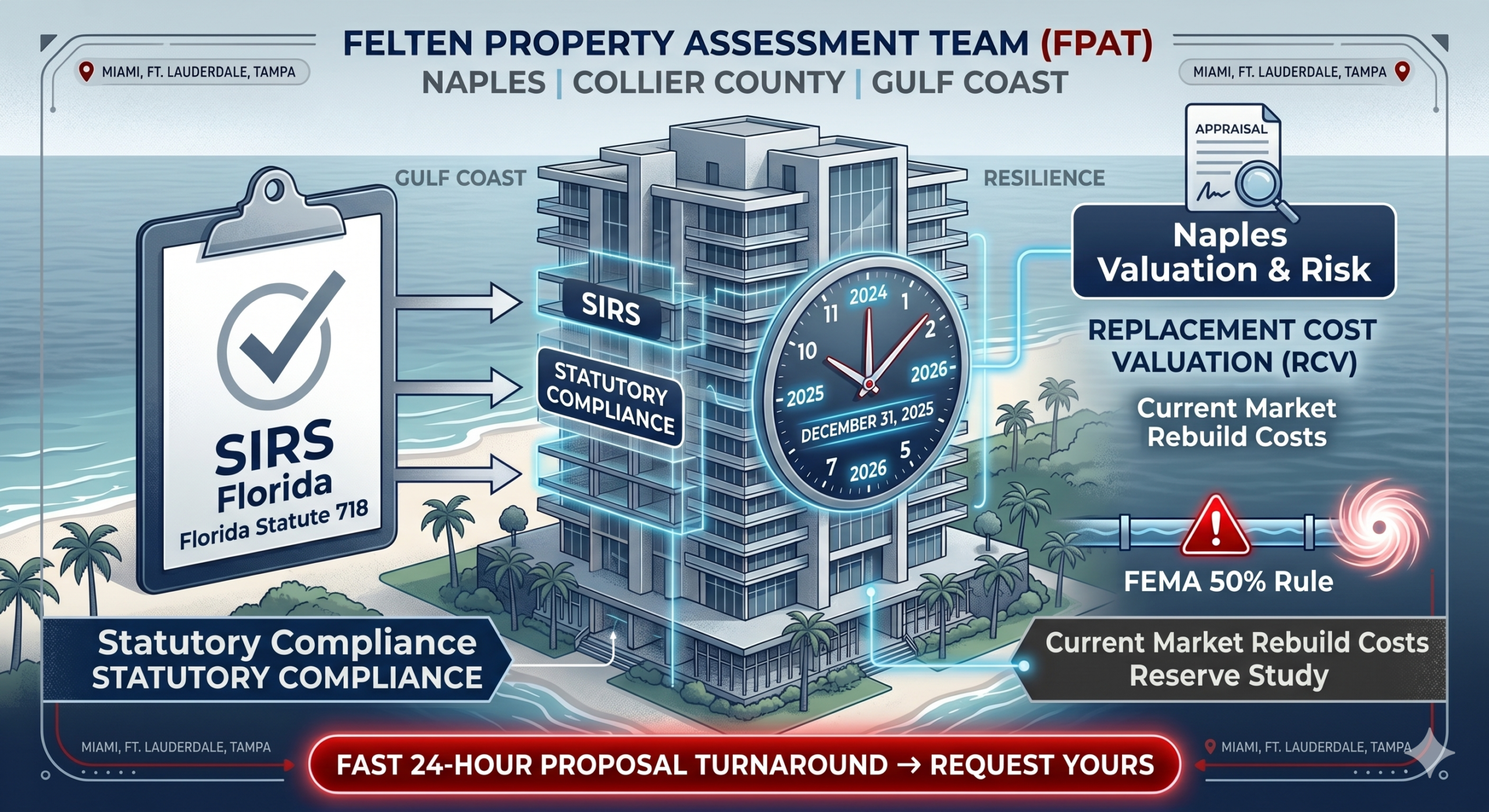
If your building is three or more stories, you’re required to complete a Structural Integrity Reserve Study (SIRS). This focused report covers the components that keep the building standing and safe: roofs, load-bearing walls and structure, foundations, plumbing, electrical, fire protection, waterproofing, and related items.
Landscaping is not part of a SIRS.
That’s why many associations with vertical construction choose to have both a SIRS (for legal compliance and safety) and a traditional reserve study (for the full financial picture, including irrigation, amenities, and appropriate landscaping components).
Why Getting This Right Matters in Florida
Your Simple Path Forward
You don’t have to guess or interpret dense reports alone. Here’s the straightforward process:
- Review what you already have — Look at your current reserve study (if any), governing documents, and recent budgets to see what’s currently listed.
- Talk with a Florida specialist — Discuss your specific landscaping assets (irrigation age? Significant tree canopy? Past storm impacts? Future upgrade plans?).
- Get a tailored recommendation — A qualified provider will tell you exactly what should be included, why, and how to fund it properly so there are no surprises.
Stop wondering and start planning with confidence.
Whether you need a new SIRS, an updated traditional study, or a review of your current plan, FPAT makes it clear and actionable.
When your reserve study accurately reflects the true needs of your property — including smart provisions for irrigation, major landscape work, and popular amenities — you move from stressed and uncertain to calm and in control.
FPAT is Florida’s trusted expert for condo reserve studies.
Let us help you protect your community — inside and out.